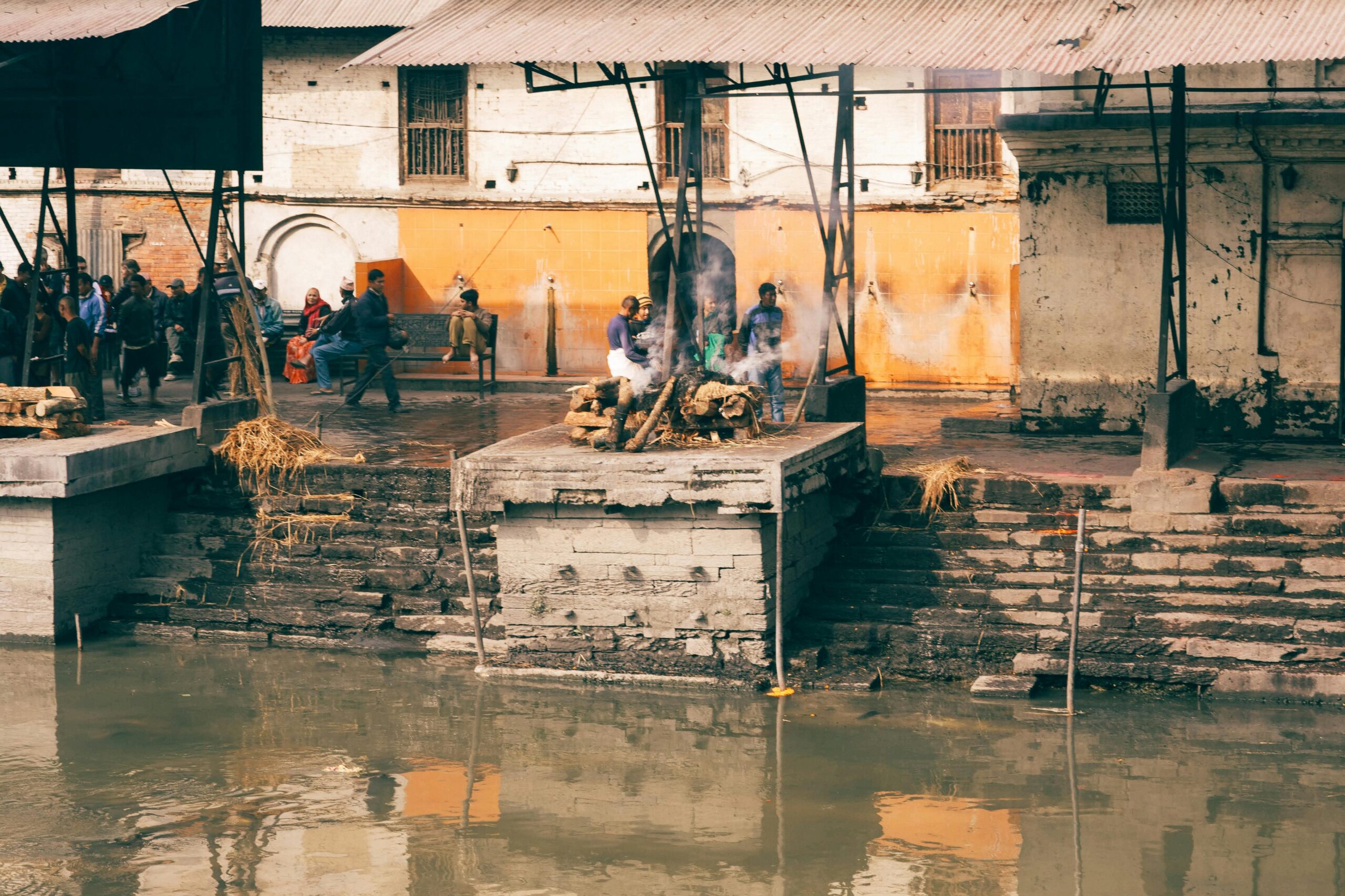
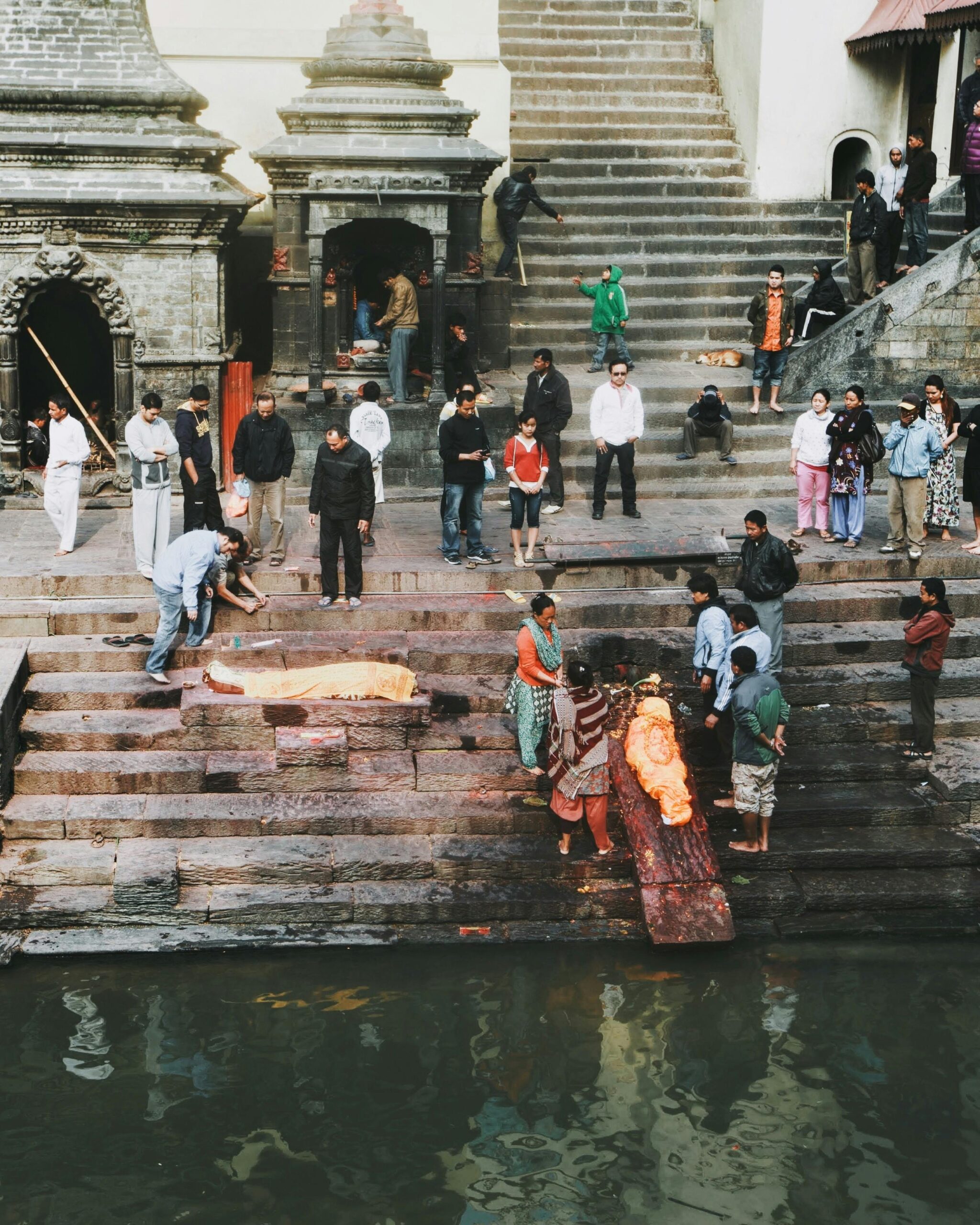
Traditionally, once a loved one passes away, they are cremated shortly after their death, usually within a day of their passing. The Hindu belief to cremate the dead is honored in this tradition, because it releases their soul from their body, allowing it to be free and assisting its journey to moksha, eternal freedom from the cycle of births and deaths. Immersing the ashes in the holy waters of the Ganges River allows for soul to be purified, and for both the grieving loved ones and the body, to finally let go of it.
Funeral Rites
In GSB culture, the death anniversary, known as Varsantik for the first anniversary, and Varshik there onwards, is honored annually, with the funeral rites being performed traditionally by the eldest son in the family. Alongside specific rituals performed as told by the family priest (contact a priest to conduct the rites/help conduct the rites) special food is prepared for the occasion, the recipes for which are listed under the recipes section.