This festivals marks the beginning of the Hindu calendar year, and is celebrated as the Hindu New Year.
The day begins with a prayer to Lord Ganesha, remover of obstacles and the son of Lord Shiva and Lady Parvati. A priest is then called in or the temple is visited, as the priest reads out predictions for the upcoming year, and in some places the Dhwaja, or Gudi is mounted. The Gudi is the flag of Lord Brahma, the Creator and the God of knowledge and learning, and is hoisted to show the victory of Lord Rama after he defeated the demon king Raavana, and his victorious return to Ayodhya.
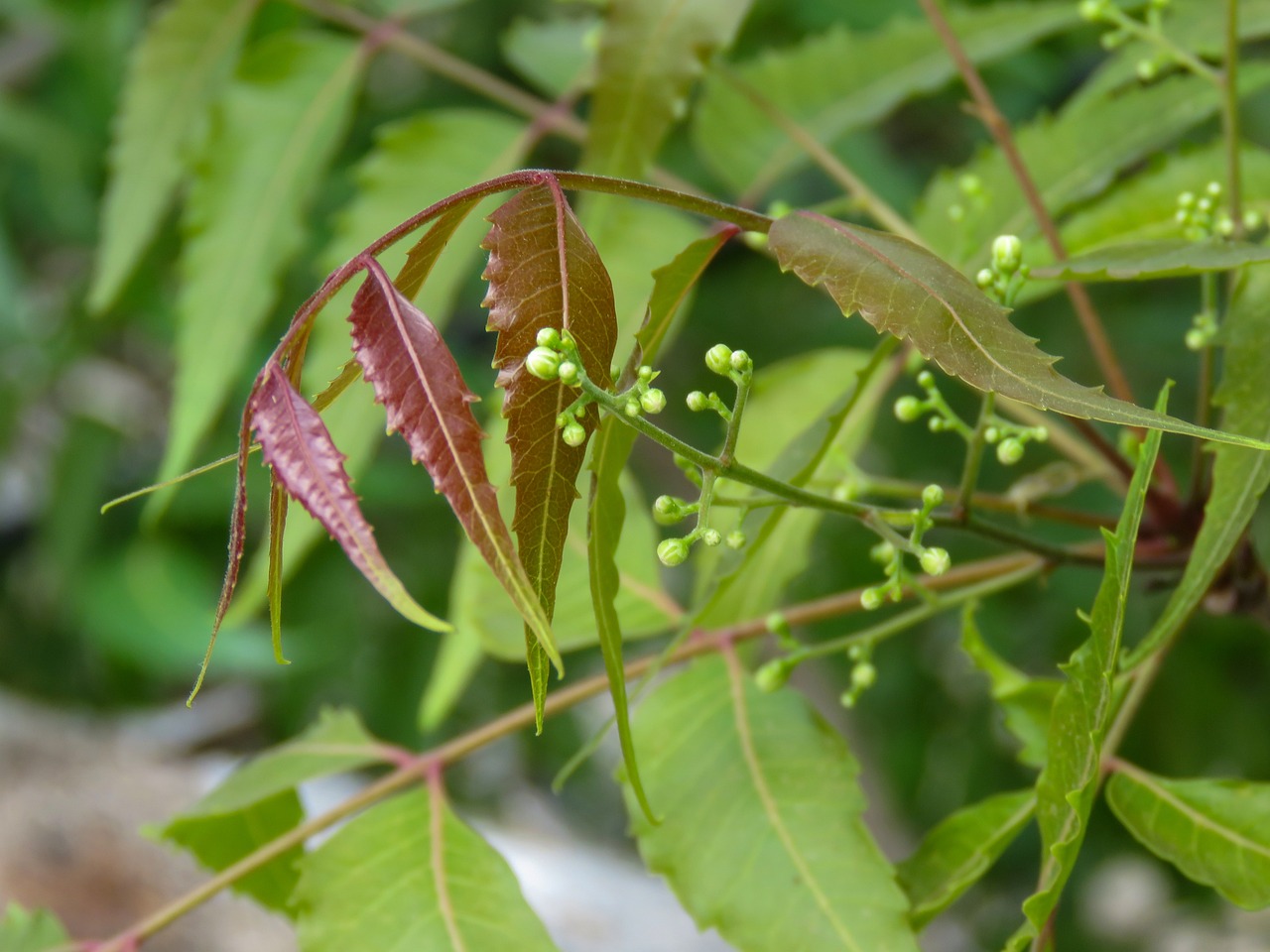
Afterwards, tender neem leaves and flowers are fried in ghee (clarified butter) and mixed with pepper powder, cumin seeds and sugar, which is then offered to God, and later eaten and distributed as Prasadam. The mixture helps ward off diseases for the upcoming year. At noon, green gram dal kheer and black gram dal dosa are made and shared with guests and family members. Later, clothes and money are distributed to the needy to ward off the negative influence of the unfavorable stars.
In the evening, a puja is done to God, and mango, jackfruit, bengal gram dal Usal, raw mamgo Pachadi, Panak or Sharbat (refreshing drink made with ginger and jaggery for this occassion) are made, offered to God, and then distributed,
Ram Navami
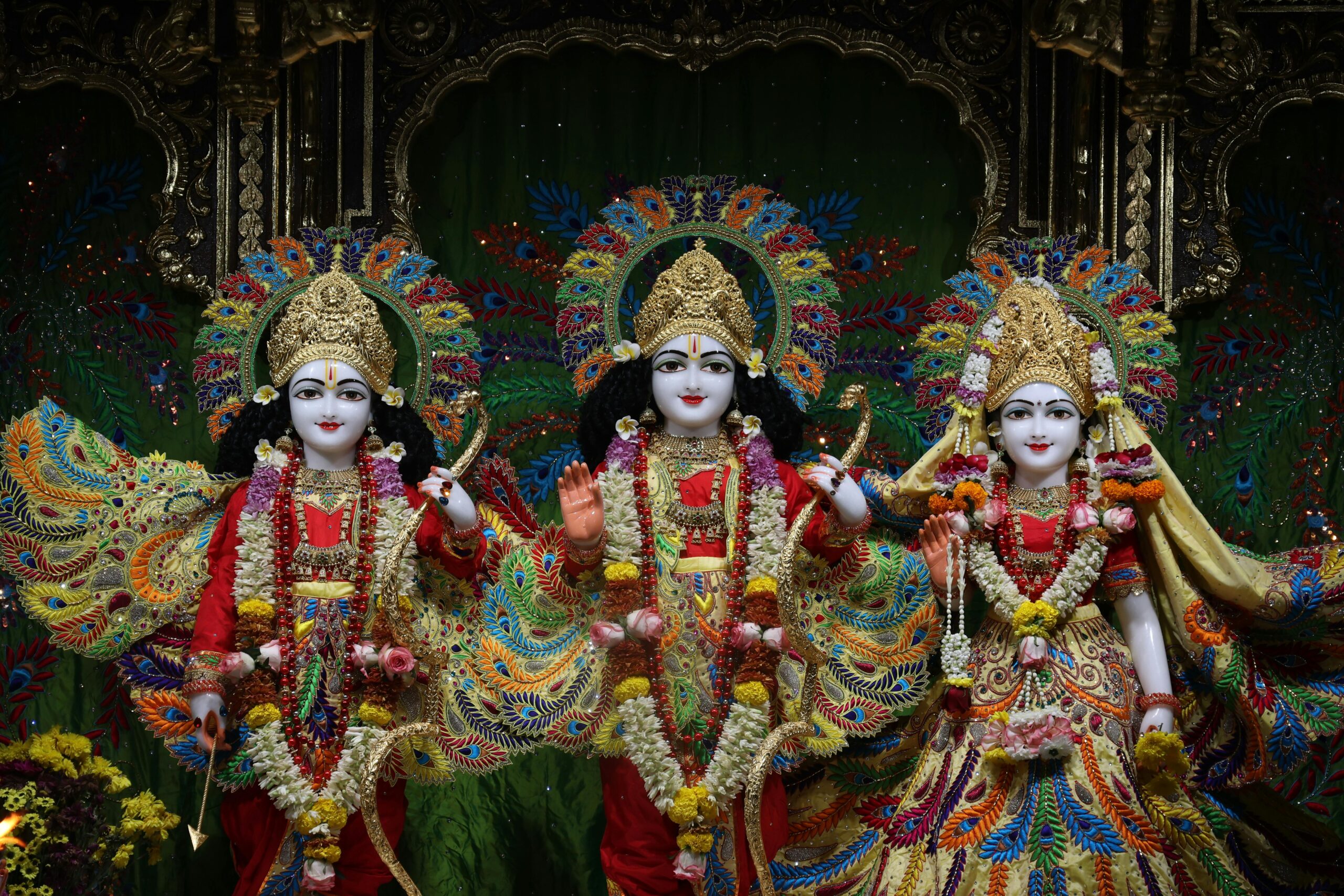
This festival is dedicated to Lord Ram, the 7th avatar of the Protector, Lord Vishnu. On this day, passages are read out from the Shri Valmiki Ramayana describing His birth. One or two sweets and a mixture of powdered ginger and sugar are offered to Lord Ram, and are later distributed and eaten.
Hanuman Jayanti
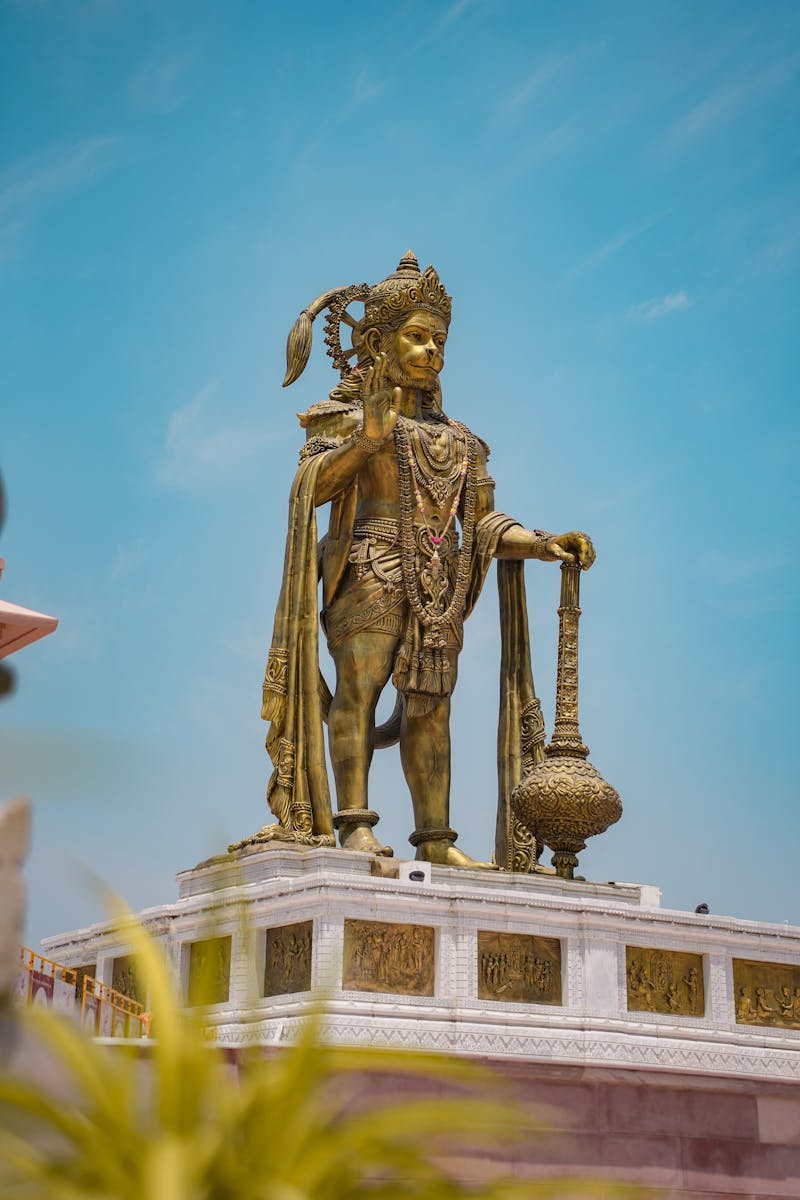
This festival is dedicated to Lord Hanuman, son of the wind god Vayu, and loyal devotee of Lord Ram, and celebrates his birth day. On this day, Oil and Shendur (orange vermillion) is offered to the Idol of Lord Hanuman (Idol at home or the Hanuman Temple)