Ashvin - September to October
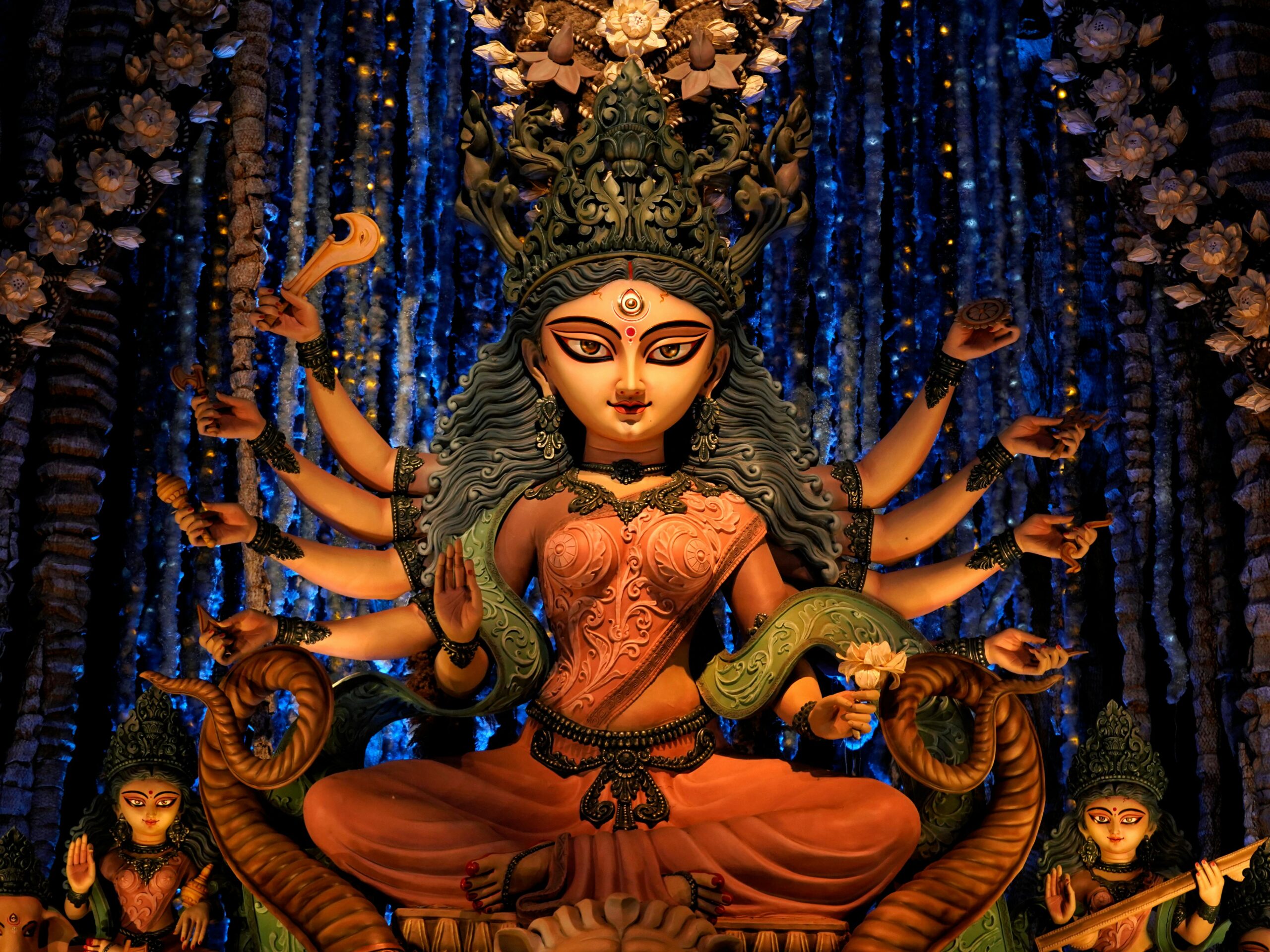
Navaratri / Navratra Mahanavami
For the first 10 days of Ashvin, we celebrate Navaratri in honor of Goddess Durga. Goddess Durga was created by the Hindu Gods in order to slay the demon Mahishasura, who had recieved a boon that he could only be defeated by a male opponent. She is the embodiment of the divine female energy, and is revered greatly across India. The first 9 days are devoted to one of each of Her forms, and the 10th day is Vijayadashami. On the day after Amavasya, or after the full moon day, the Goddess Durga is invoked on the Ghata, on Ghatasthapana. Afterwards, on the day of the Moola Nakshatra, we perform the Saraswati Puja where we offer books (e.g textbooks, workbooks, learning materials) for blessings in education and knowledge. Usually as Prasadam for this puja, cucumber dosa is made, and traditionally the Saptashati is chanted during the 9 days. Different varieties of Prasadam are offered to the Goddess every day alongside coconut and blouse piece. On the 10th day, or Vijayadashami, Kheer using new rice bought specifically for the occassion is made (without jaggery) and mixed with coconut milk, usually accompanied by round cucumber pudding. If there is an insufficient quantity of the new rice, it is permitted to use a few grains of the old rice. From this new crop of rice, sheaves of stalks of the rice are procured and are then offered Puja and tied to the container where the rice is stored, and to other important locations, such as the milk cooker or at the main door.
Finally, in the evening, friends and relatives exchange apta leaves/Shami Vriksha leaves, to wish each other prosperity. For those who were not able to perform the Vayana Puja, or the Ganesha Puja, they have to observe Tritiya and Chaturthi during Navaratri to compensate, and to thus equate the missed Pujas of Devi and Lord Ganesha.
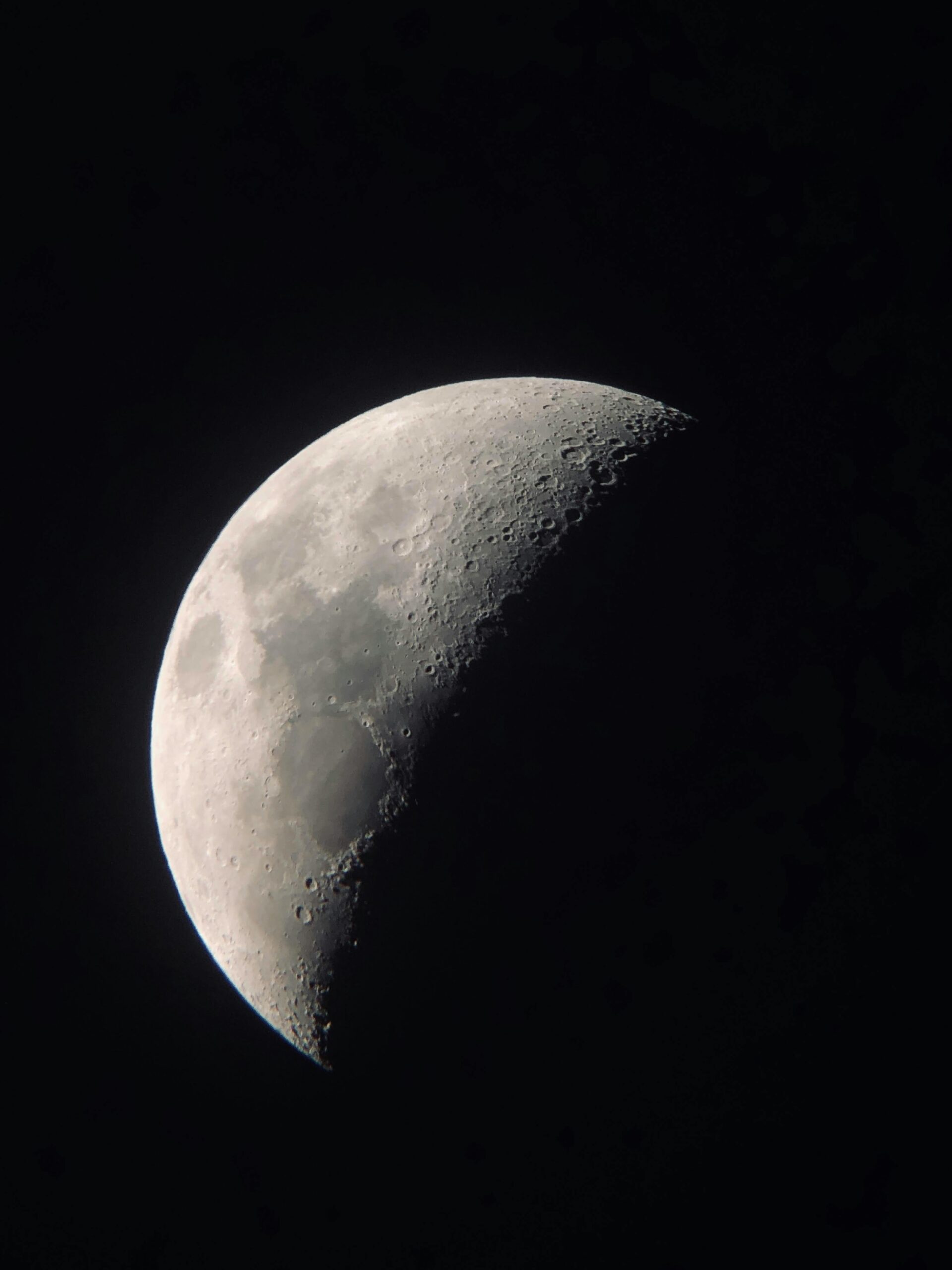
Kojagiri Poornima
Kojagiri Poornima, otherwise known as Ashvij Poornima, is a festival celebrating Goddess Lakshmi, the Goddess of wealth and prosperity. The festival is celebrated on the new moon day of Ashvin. It is believed that on the day, Lady Lakshmi comes to visit all the houses at night, and that she will bless those who are awake and praying with financial prosperity and solve monetary problems. After the moon rises, devotees offer the moon God, Lord Chandra, rice, milk and betel nut halves as Prasadam, which is then partook in by all.
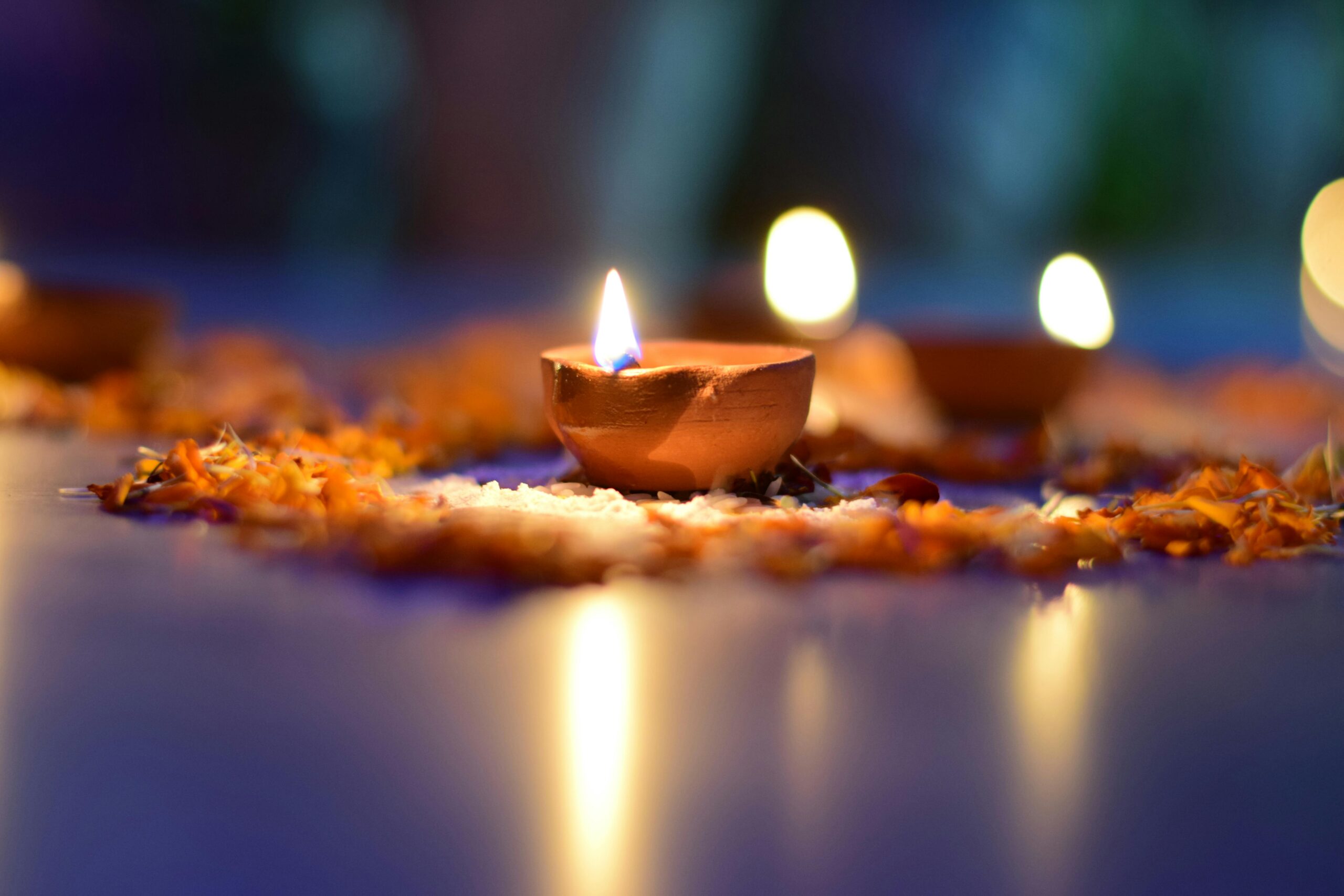
Deepavali - 4 day period from Vadhya Trayodashi to Sudha Dwitiya
The festival of lights takes place during this 4 day period in the following order;
- Dhana Trayodashi: Auspicious day to offer puja to gold items, silver items and wealth. Later, in the evening, water is collected with vessels that have been cleaned shortly before, which are then decorated with a decoration called Toran (a type of garland made with marigolds) which is tied around the vessels. The offering of the day is sweet poha and Aarti is performed.
- Narak Chaturdashi: It is customary to wake up early before sunrise in order to apply oil to the body, and to take a bath using Utna before the sun rises. Some people also apply oil mixed with Kumkum to their foreheads, which is reminescent of the blood of Narakasur, Narak Chaturdashi celebrates the victory of Lord Krishna over the demon Narakasura. Hence, after the bath, the men of the family crush the Karit fruit, known to be a bitter fruit, under their feet to celebrate the victory of good over evil (the bitterness). Another such ritual is that after crushing the fruit, the juice of the Karit is tasted first before the Puja is performed, in order to follow the saying that ” one must taste the bitterness to expect something sweet” (Mathur) For breakfast, Poha mixed with jaggery is usually prepared, and a sweet should be served during lunch. In the evening, it is customary to keep lit diyas at the home entrance, in the bathroom and in other rooms as well to celebrate Deepotsava. These diyas are then kept lit for at least 3 days. Some sweets/dishes specially prepared during Diwali include;
- Anaras
- Phenora
- Bundi Laddoo
- Chiwda
- Shankarpali
- Lakshmi Puja: On the new moon day, known as Amavasya, Traders and Businessmen perform puja to their books, and distribute Prasadam, after which they open new accounts in their books.
- Bali Pratipada: This festival is observed in honor of cattle, which are seen as a symbol of wealth in India since centuries. Puja is offered to the cattle, as well as to Bali Chakravarthi (Asure King known for his righteousness and supreme sacrifice) and Sri Krishna, who is seen as the protector of cattle. The cattle are given an oil bath, and are then offered copra, jaggery and poha, and are decorated with garlands of flowers during or after their puja.
- Bhau Bheej: Bhau Bheej is the festival in honor of siblings, where sisters invite their brothers to their homes and offers them foods that they are partial to. It is customary that after taking the oil bath, the sister performs Aarti to her brother, and that her brother then gives her gifts to celebrate the occassion.