BHADRAPADA

Bhadrapada - August to September

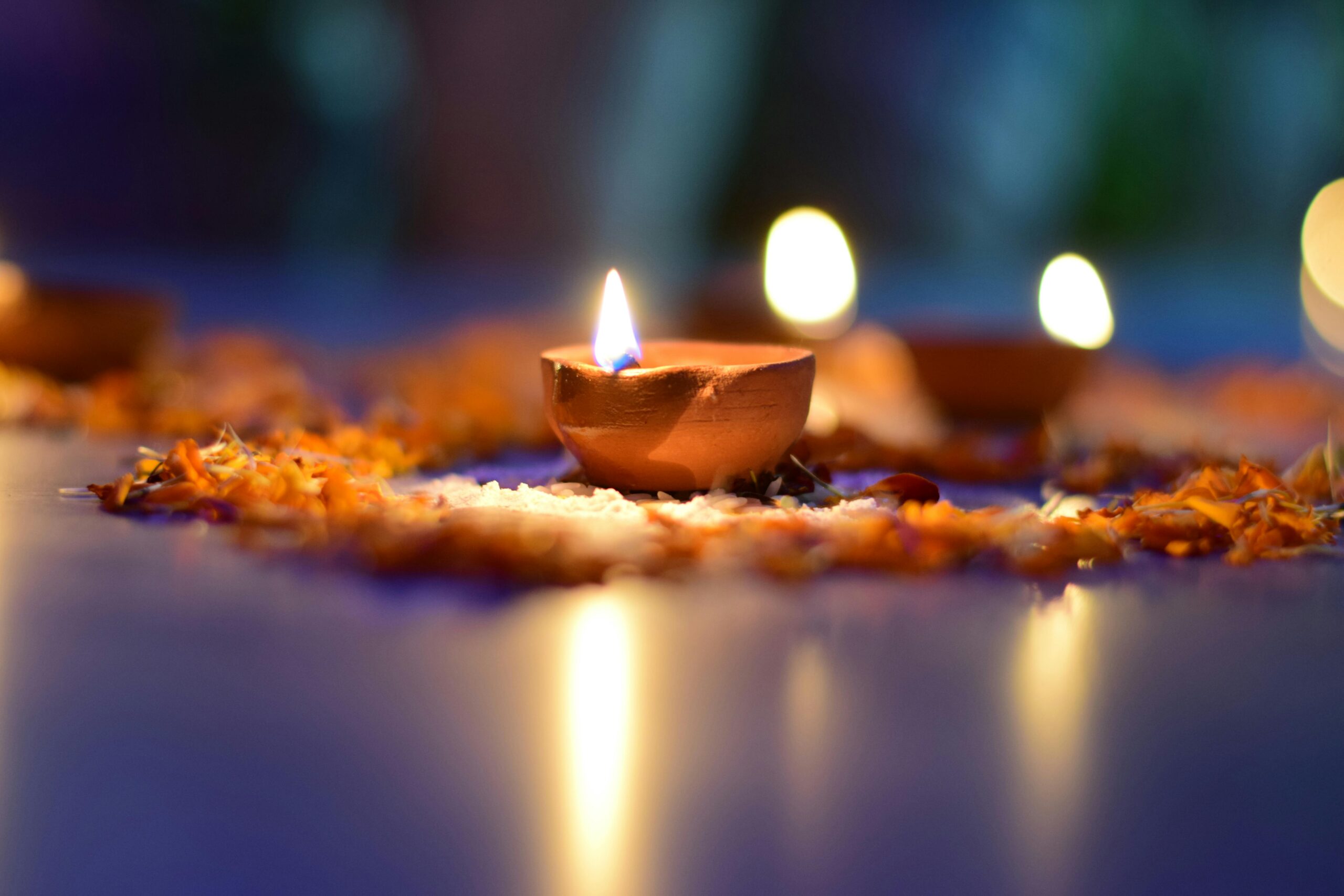
A warm and atmospheric close-up of a lit clay diya surrounded by flower petals, perfect for festive themes.

Shuddha Tritiya

For this festival, we GSBs perform the Vaina Puja, also known as the Gowri Puja. For this puja, we always have an odd number of coconuts, such as 5, 7, 11 etc., and newlyweds use 101 coconuts for the puja, specifically coconuts that still have the “ponytail”, known as shendi, in Konkani, which are to be husked later. The coconuts are first husked, until they are completely smooth. Next, the coconuts are washed in turmeric water, after which a chalk is used to draw a line through the middle of the coconut. The “eyes” of the coconut (The three circles on the face of the coconut) are then smeared, two of them with kajal (kohl), representing the eyes of the Goddess, and one with kumkum (vermillion), representing the mouth of the Goddess. Next, turmeric (representing the nose) and sandalwood paste are applied to the coconut as well. 

Here is a good guide on how to decorate the coconuts for reference.

Next, a basket is prepared holding sugar cane, fresh areca nut, betel leaves, plantains, areca flowers, ridged gourd, cucumber, and lady’s finger. Additionally, lighted oil lamps are kept for married women, alongside vayana thread, black bangles, a comb, small boxes of kajal (kohl) and kumkum (vermillion) .Afterwards, three coconuts are specially kept aside, specially cleaned and seperately washed in turmeric water. Only kumkum is applied on two of the three coconuts, representing Lord Shiva and his son Lord Ganesh, and the other coconut is smeared with kajal, kumkum and a horizontal tilak. The food is usually prepared by the married women in the house, and the puja preparations are done by them as well. For Naivedya (meal offered to the Gods), the following is usually offered;

  • Patholi
  • Varai Cucumber Kheer (Konkani sweet dish)
  • Cucumber Kochcholi
  • Upkari (stir fried vegetables) made using 5 types of leafy green vegetables.
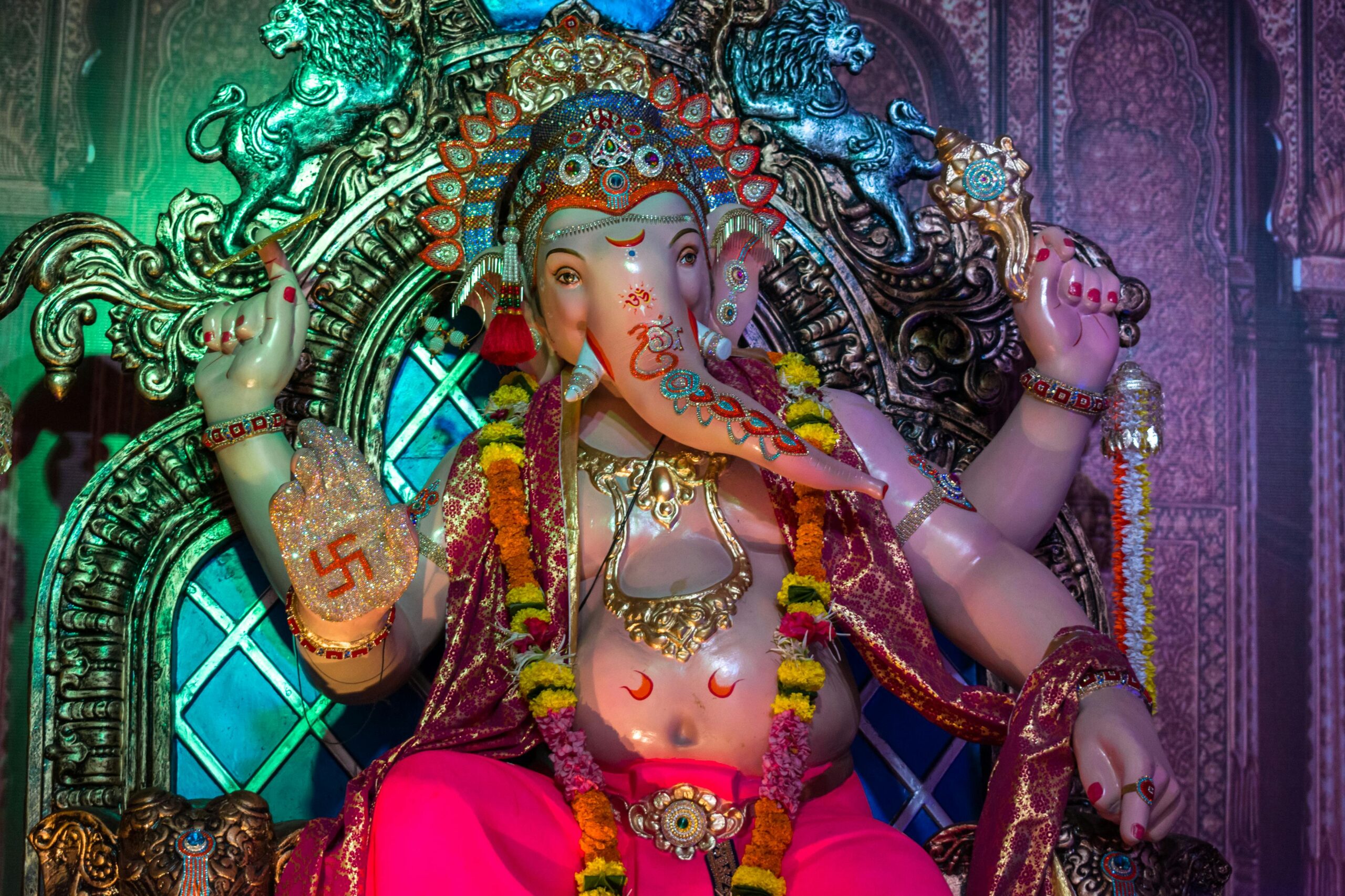
Colorful and ornate statue of Lord Ganesha, adorned for Ganesh Chaturthi celebration.

Shuddha Chaturthi

Shuddha Chaturthi, otherwise known as Ganesh Chaturthi, is a festival that is grandly celebrated all over India. The festival celebrates the birth of Lord Ganesha, son of Lord Shiva and Lady Parvati, who is regarded as the removal of obstacles and the god of wisdom. For this festival, a clay Murthy, or idol of the Lord is brought, or the existing Lord Ganesha Murthy (if present) is used for the puja. For Naivedya, the foods the Lord is partial to are included, such as;

  • Madgane 
  • Khotto
  • Chakli
  • Jaggery Laddu
  • Karanji
  • Modak
  • Panchkadya
  • Potato Sukke
  • Potato Bhaji
  • Bhendi Upkari
  • Kakid Koccholi
  • Aluvada 
  • Alu Fritters
  • Bitter Gourd Fritters
  • Ambadi Ghashi

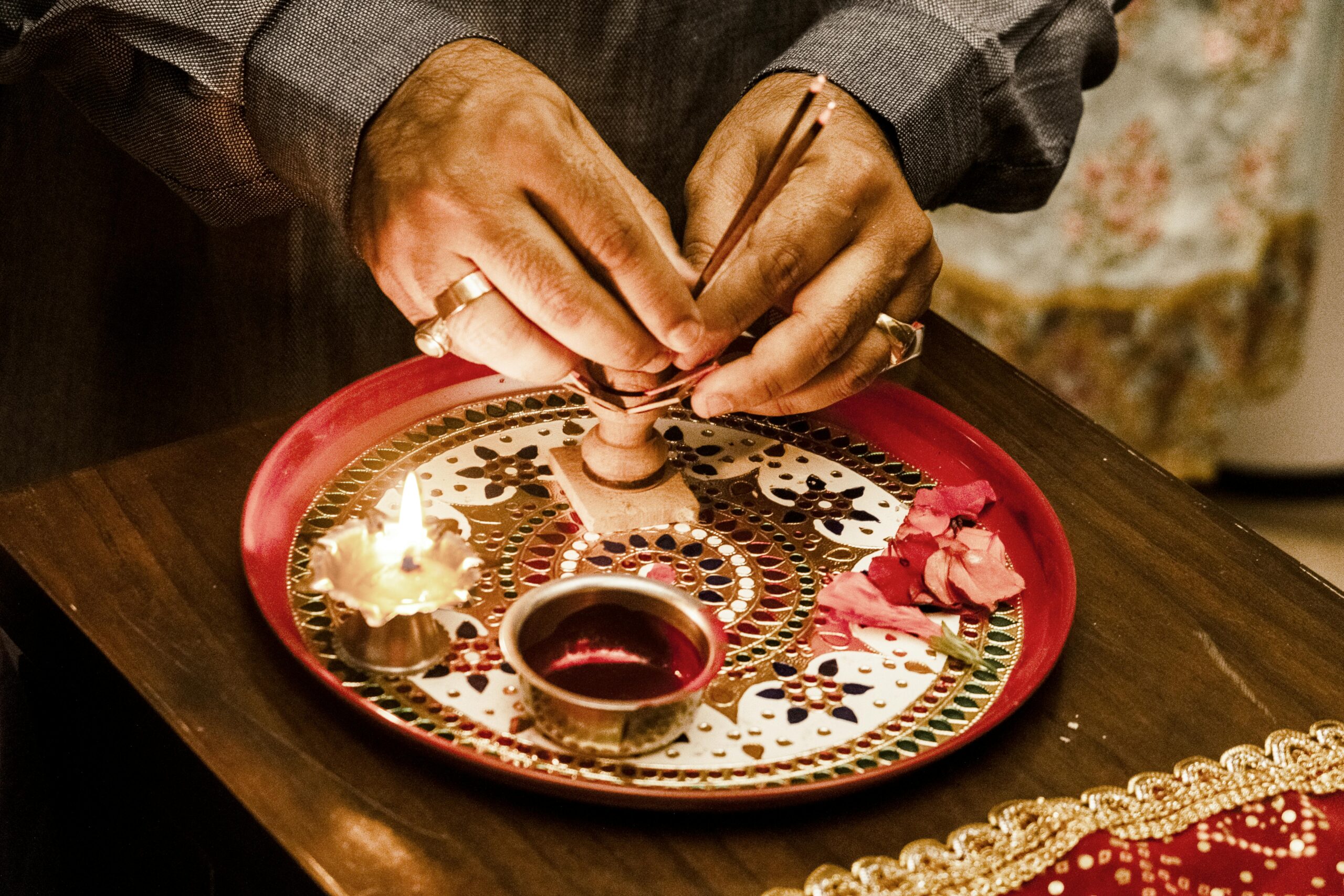
The food is given to Lord Ganesha, and the aarti (prayer to God in which a puja thali with the sacred flame on it looped around a idol of God) is performed. The food is then distributed and eaten as Prasadam.


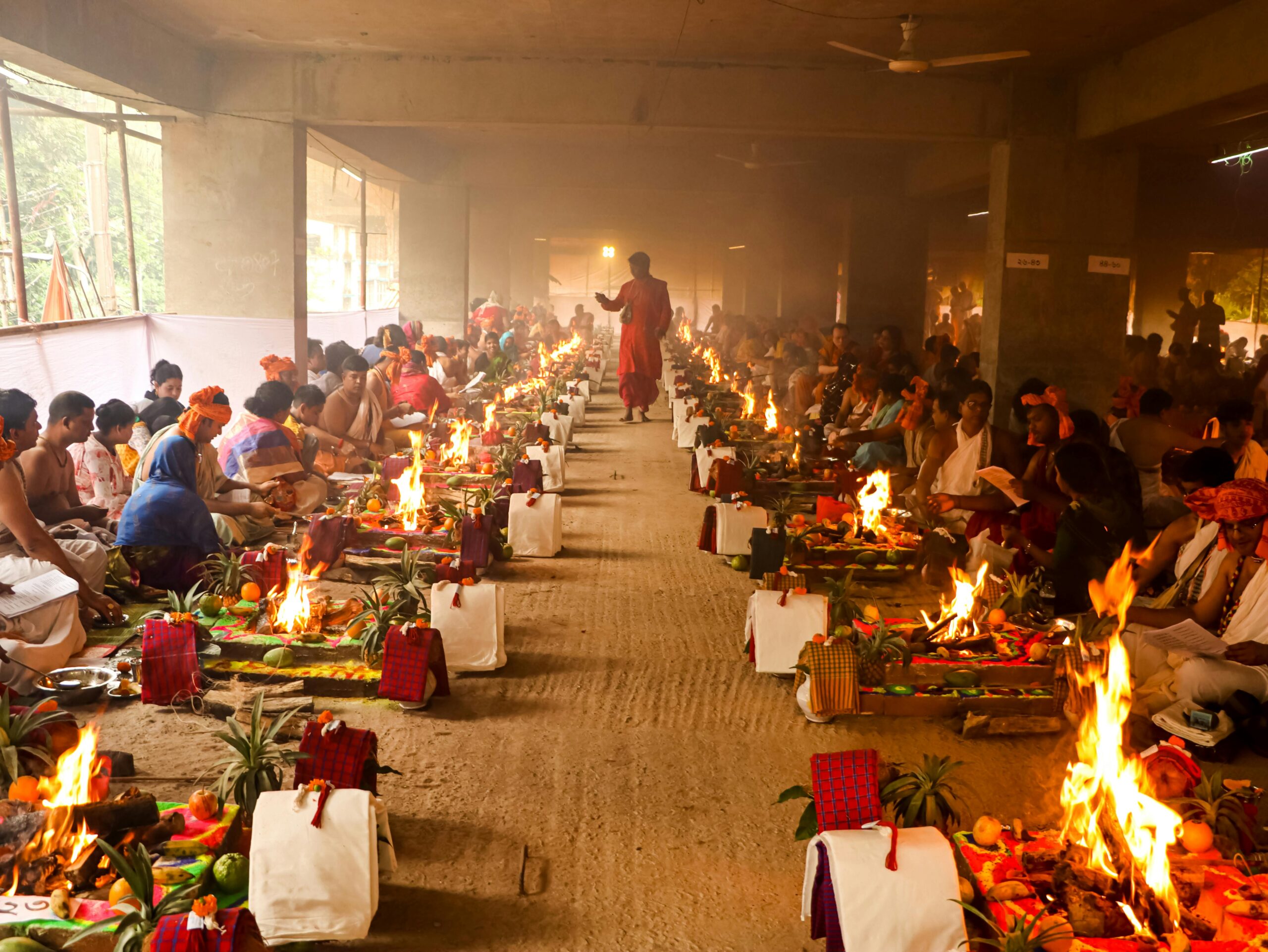
A vibrant and colorful Hindu ritual with participants in traditional attire and ceremonial fires in Dhaka.

Rishi Panchami

Rishi Panchami, otherwise known as Bhadrapada Shuddha Panchami, is a day where a puja in honor of the Saptarishis, the seven wise and most learned Rishis is performed. On this day it is encouraged to avoid food using grains made by the usage of bullocks in the ploughing of said grain.

Close-up of a person lighting incense sticks on a decorated tray for a traditional Indian ritual.

Shuddha Ashtami

On this day, the Jyeshti Gowri Puja is performed after the visarjan of Suvarna Gowri. Thereafter, every day after the puja (prayers + aarti) curd rice and an upkari (stir fried vegetables) made using 5 different green leaves are offered to the Goddess (both without salt).

green shades in nature, neem tree, neem, tree, ugadi, grow, growth, small buds, organic, green, medicine tree, medicine, green medicine, neem tree, neem tree, neem tree, neem tree, neem tree, ugadi

Ananth Shuddha Chaturdashi

This festival is observed by men only, on the 14th day of the bright fortnight of Bhadrapada. Sri Vishnu and Mahashesha are worshipped in the noon, and all dishes made for Prasadam have to bear male names, such as Khotto or Madgane (Konkani dishes). As well as this 14 sweets with male names are to be prepared (e.g Tukde, Shankarpali, Laddoo (Konkani sweets)) and 14 preparations using coconut are also to be made.

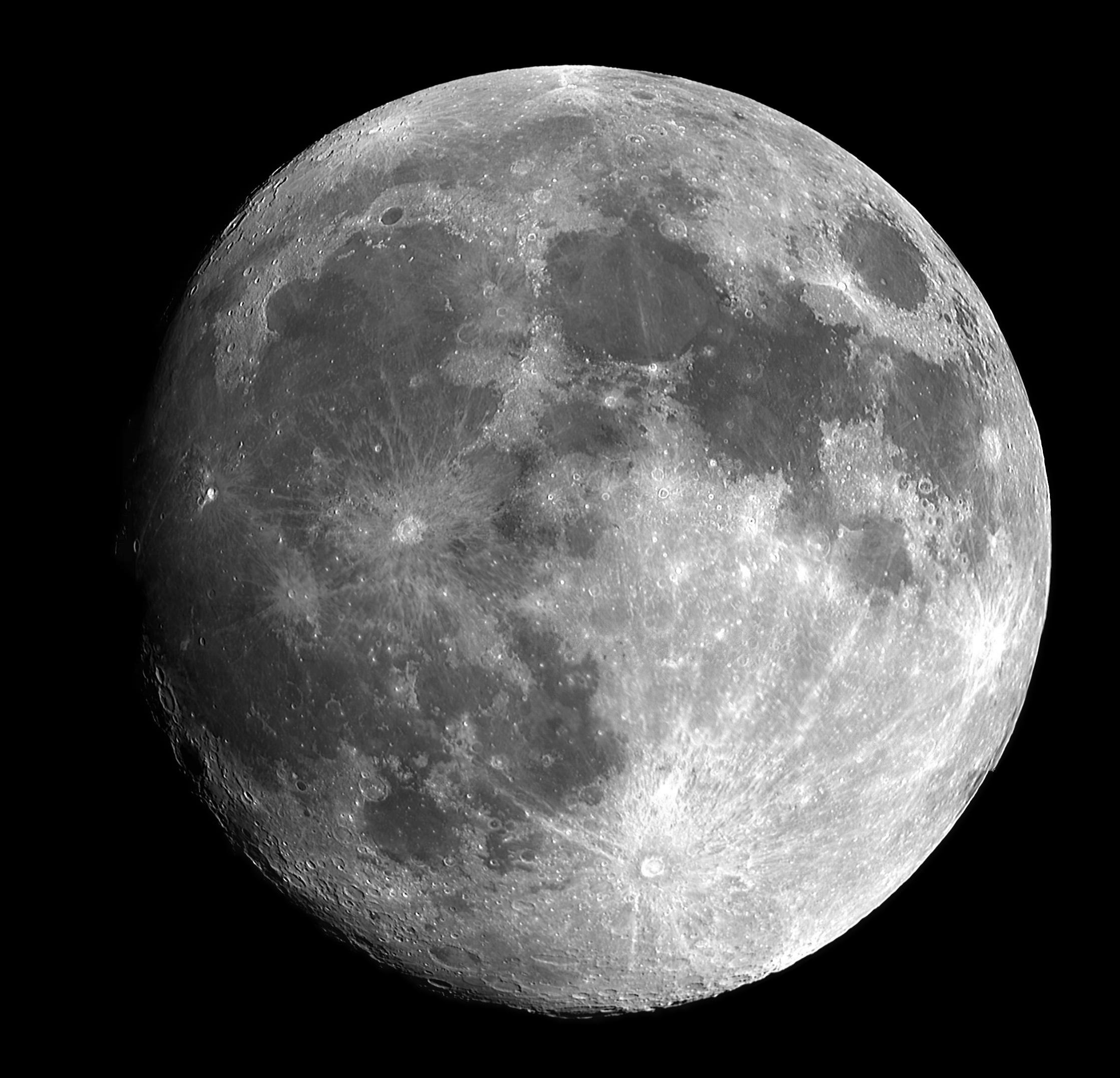
Captivating black and white image of the full moon showcasing intricate lunar details.

Mhala Paksha

Mhala Paksha is the full moon day following the Ananth Chaturdashi, where certain Sanyasis end their Chaturmasa, or their 4 month fasting period. It is believed that during this 4 month period, Lord Vishnu and his demigods are asleep, so it is not encouraged to perform any pious acts, such as marriages or Munjhi ceremonies. The dark fortnight of Mhala Paksha then commenses, where no auspicious ceremonies are performed in the 15 days of Mhala Paksha. During this time, Shraddha (death ceremonies) ceremonies are customarily performed, and are performed at the latest on Amavasya Day, marking the end of the Mhala Paksha. During Shraddha ceremonies, these are the foods that are customarily performed and offered. It is also customary to prepare foods that were the favorite of the departed. 

  • Sprouted green gram Ghashi.
  • Greem gram Saar.
  • Sukkhi Bhaji made of tender bamboo shoots.
  • Upkari made of any vegetable.
  • Raw plantain raita.
  • Chutney made of green mango soaked in brine.
  • Phodiyas of raw plantains, tender bamboo shoots, sweet potato, lady’s finger, ivy gourd.
  • Black gram Ambode.
  • Wheat lapsi kheer.
  • Ripe plantain and Hashan.

One of the rituals of the Shradha is the Pinda Pradhan, where one measure of rice is cooked, which is first offered to the Lord, and then to be offered to the departed. This plate is later fed to crows (in the honor of the departed) or  to be fed to cattle.