Shravan - July to August

Shravan
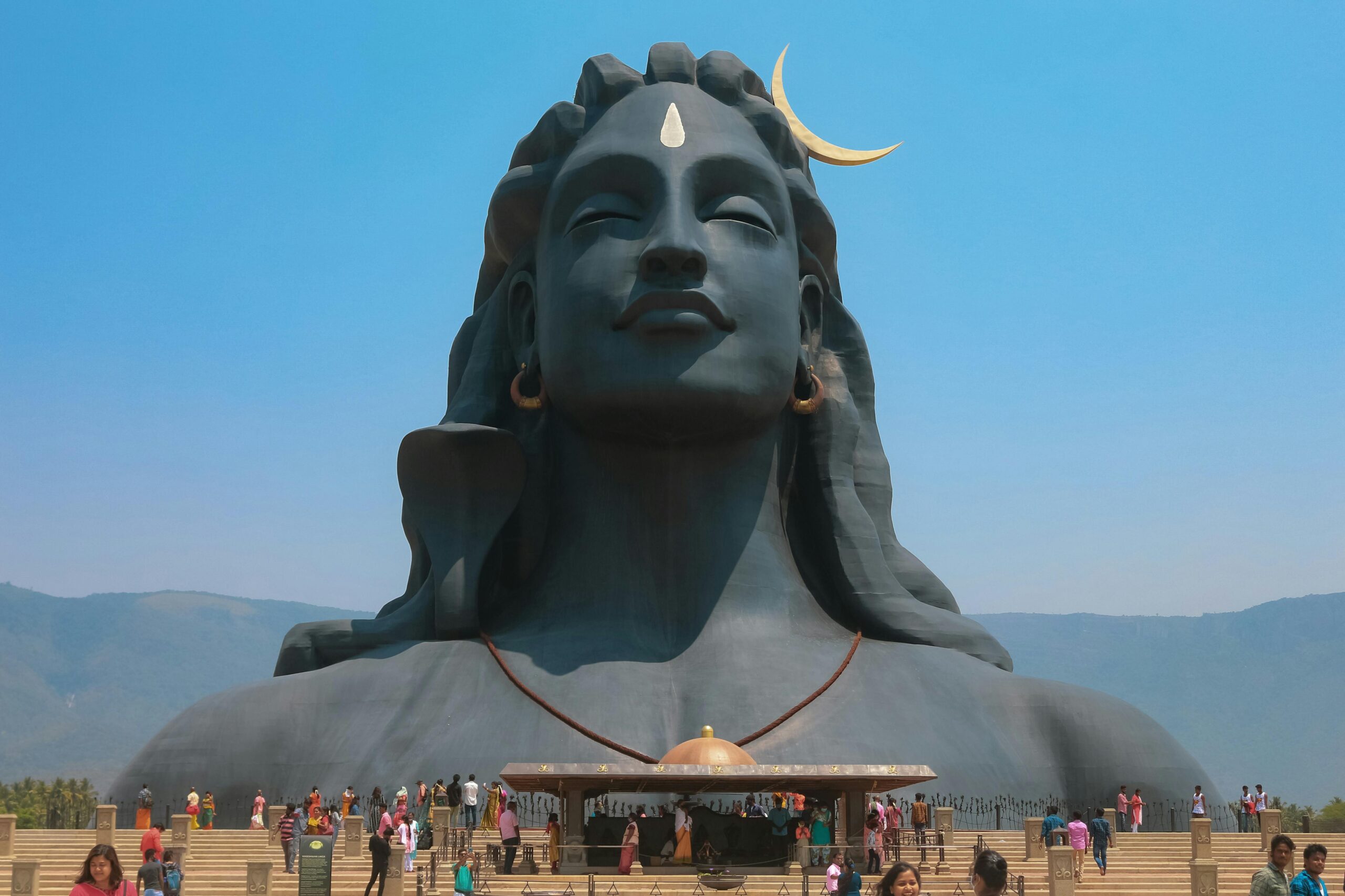
Commonly in the GSB culture as well as throughout India, a type of fast known as Shravan is observed throughout the month of the same name. It is not a full fast, with devotees of Lord Shiva fasting on Mondays, however people usually abstain from specific foods throughout the month during their prayer to Lord Shiva.
Examples of food that are usually avoided:
Non Veg Food- The reason why non-veg is not eaten during this time is that it is believed that during this time, animals reproduce and their quantity increases again. During this time, if people eat them all up, the quantity will not be high, therefore we abstain during this time. Another reason is that because it is the breeding season, the hygiene quality of the non-veg may be lower, making the meat less hygenic and more dangerous to eat.
Onion and Garlic – These vegetables are usually considered impure during the month of Shravan, as they can increase ignorance, anger and negative emotions. Therefore, they are usually avoided as they distract from prayer to Lord Shiva. Simple foods are eaten during this time to maintain spiritual peace and concentrate on prayer.
Alcohol – Also avoided during the prayer month as it is considered impure and tends to make the drinker focus away from their spiritual goals.
Fermented Foods – Fermented foods are known to create an imbalance in the bodies energies, and can contradict the spiritual progress the devotees intend to make
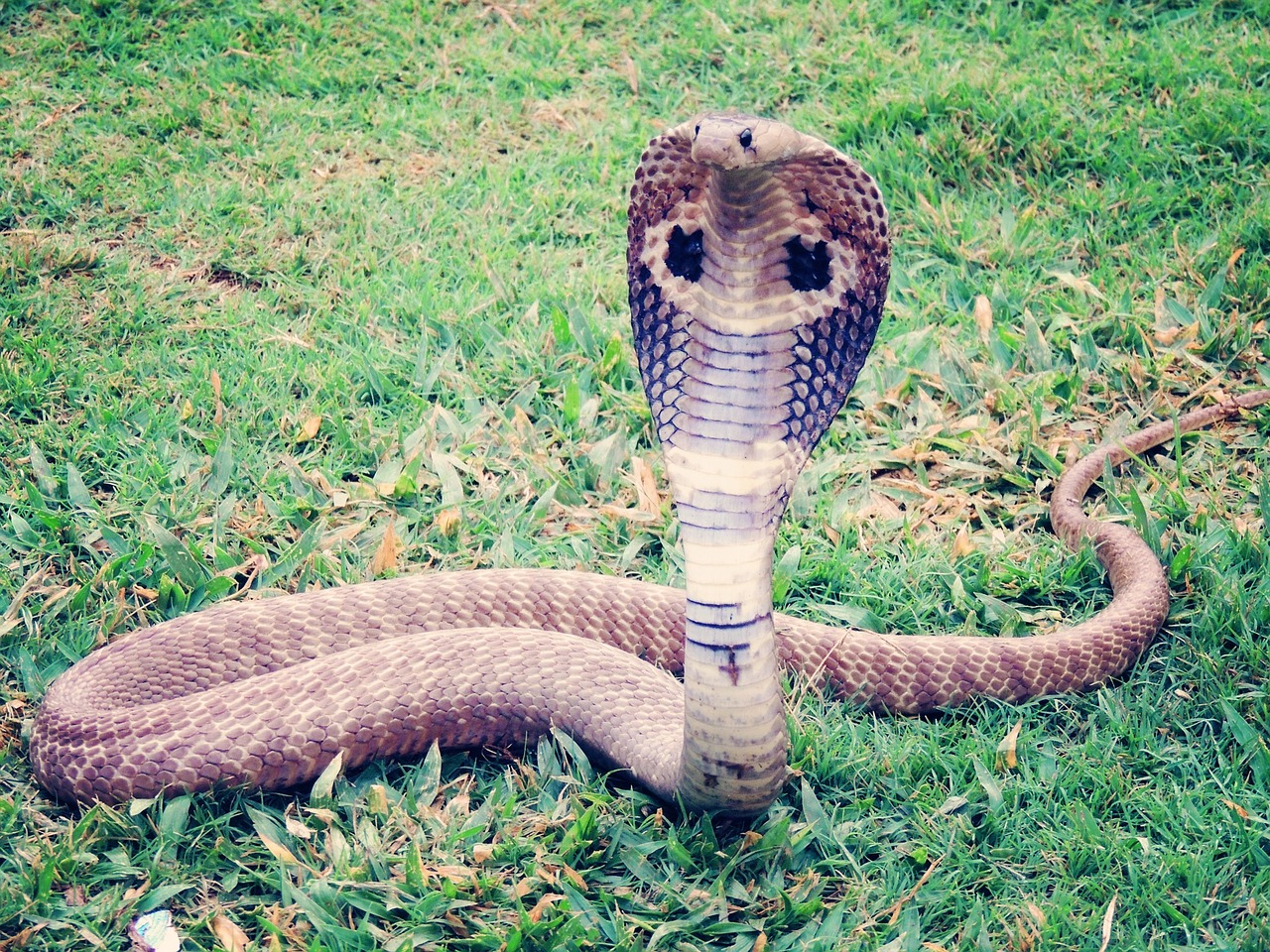
Shuddha Panchami/ Nag Panchami
On this day, Nagdev, or the snake God is worshipped. Milk is offered to Cobras, and the holy thread (sacred thread worn traditionally by Brahmin men after the sacred thread ceremony), otherwise known as Janeu is changed, which is done for the preservation of the family, and for a long life. On this day, devotees of Shri Shanta Durga, one of the forms of Lady Parvati, are encouraged to offer prayers, flowers and food to the Goddess. The flowers and food are then later offered to married women along with betel leaf, areca nut and money. During the festival, Vada, Bengal gram Sukrude or Puranpoli and coconut Kheer are made for Prasadam.
Shravan Poornima
Otherwise known as the Shravan Nakshatra, it is a day where men, especially devotees of Lord Mangesh, a form of Lord Shiva, renew the sacred thread, which is then offered to the sea god, Lord Varuna, alongside coconut. Rice Shevayi (a Konkani dish made of rice) and sweetened coconut milk are offered as Prasadam (offering to the gods), which is then partook with Brahmins. Crows are fed in honor of the departed.
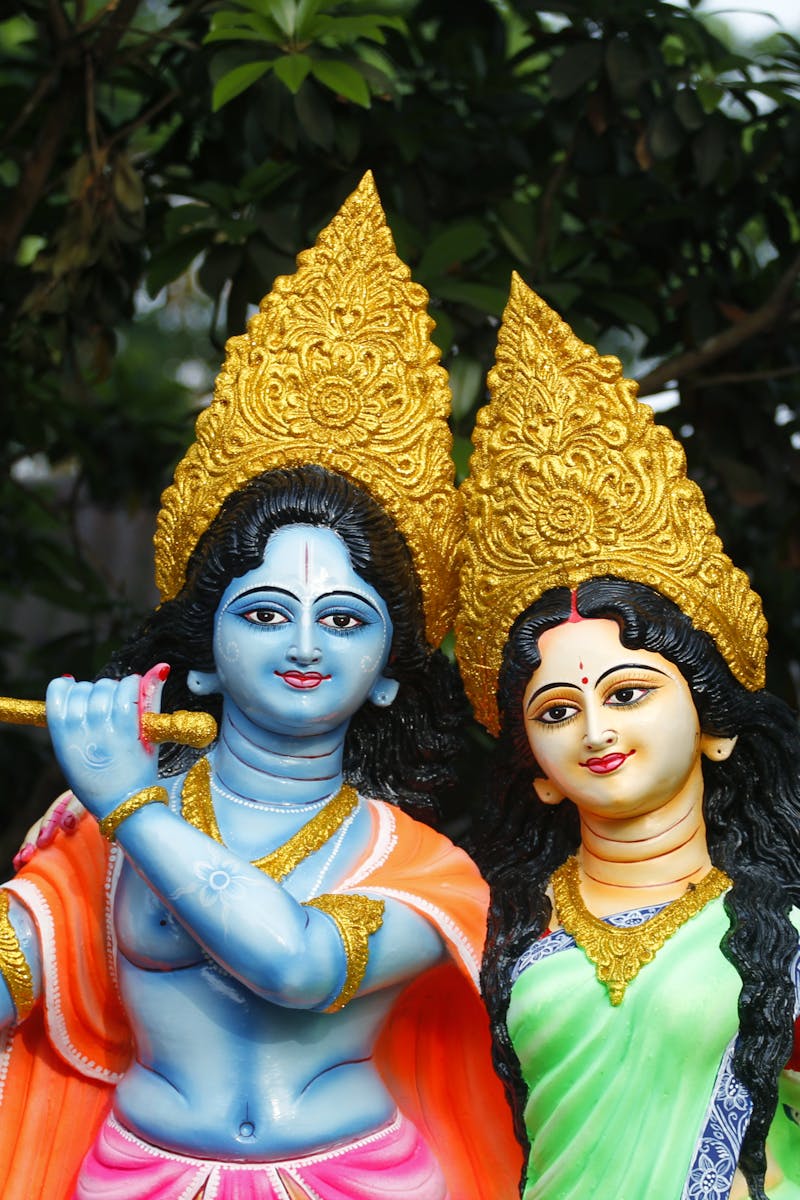
Vaddhya Ashtami
On Vaddhya Ashtami, the birth of Shri Krishna, an incarnation of Lord Vishnu, is celebrated. Devotees observe fast in the morning and afternoon, and then do Puja and Aarti at night, or at midnight. As Prasadam for this Aarti, the following is offered:
- Jaggery Laddu
- Kadboli
- Panchkadya (fried sesame seeds, dried coconut slices, cardamom, sugar powder and roasted Bengal gram powder)
- Jaggery mixed with puffed black gram dosa.
- Green gram kheer
- Butter
- Curds
- Milk Curd
- Beaten Rice (dahi poha)
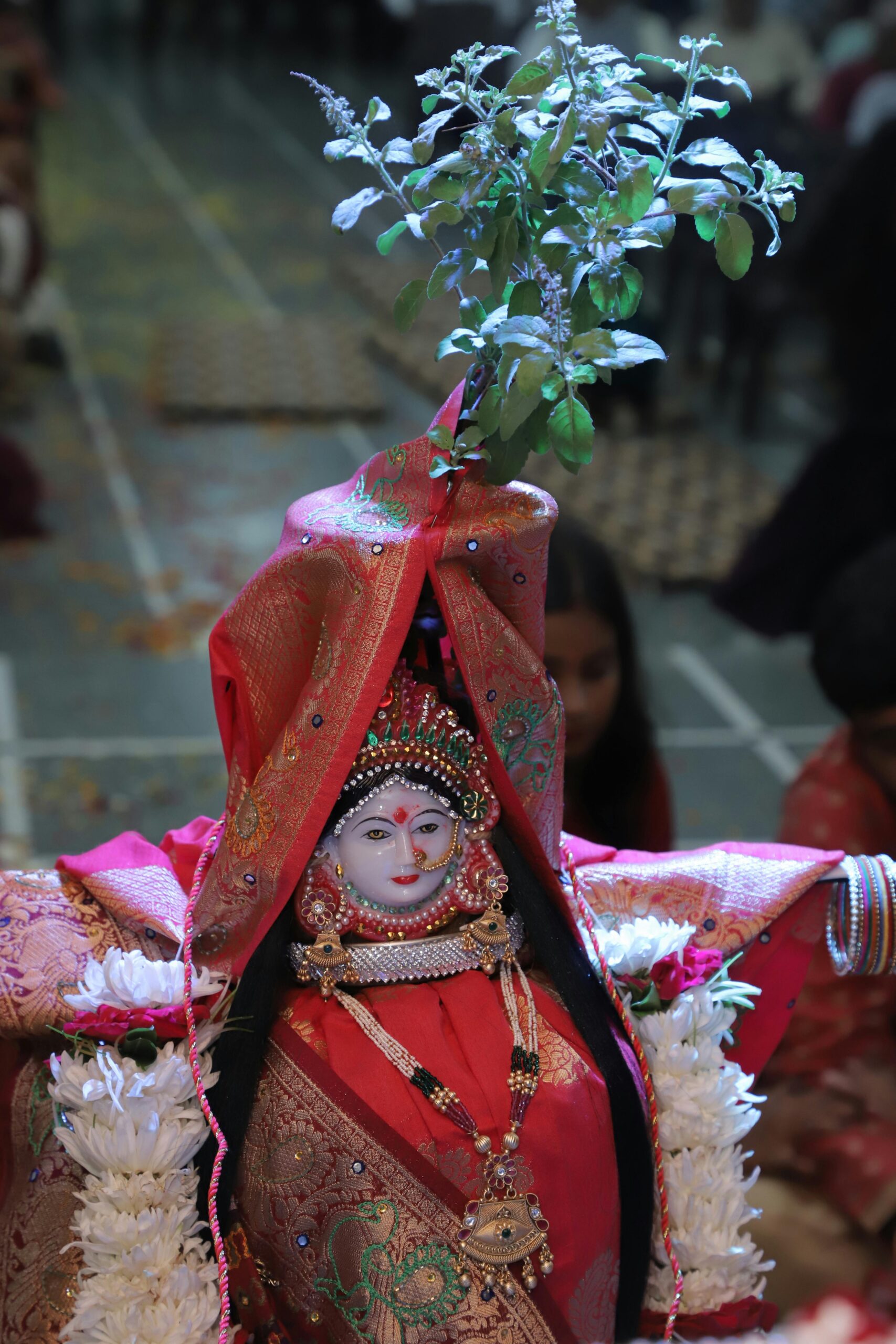
Tulsi Puja
During the month of Shravan, newly wedded girls are commonly invited to the house of their mothers to be taught how to perform the Tulsi puja, a puja honoring the Tulsi plant. It is done to honor the sun god, as well as the divine Tulsi plant. The story behind it is that wild flowers, and flowers usually not offered to God, requested Lord Vishnu to also have a turn to be offered to the Gods. Hence, this puja was done in order to make bundles of these flowers, and give the neglected flowers a chance as well. This puja is done continously throughout the month of Shravan, usually on Fridays and Sundays. The women are taught how to make Choodis, hence its other name, Choodi Puja, which are bundles of 5 types of scented, colorful flowers commonly found during Shravan. This bundle is offered to the Tulsi, and later to the family diety, alongside betel leaf and areca nuts. This Choodi is later given to the mother, mother-in-law, and then distributed to other married women. For the actual puja of the Tulsi, the following are required:
- Kalasha of Water
- Panchamrit (honey, ghee, milk, curds and sugar)
- Flowers
- Sandalwood Paste
- Agarbatti
- Camphor
- Akshata (Rice Grains)
- Chalk
- Naivedya (Friday and Sunday) Undlakal
Here is a video on how to perform the Choodi Puja. The video captions are in English written Konkani. Please click here for translated instructions.