Gauda Saraswat Brahmins
Overview
Who are the GSB?
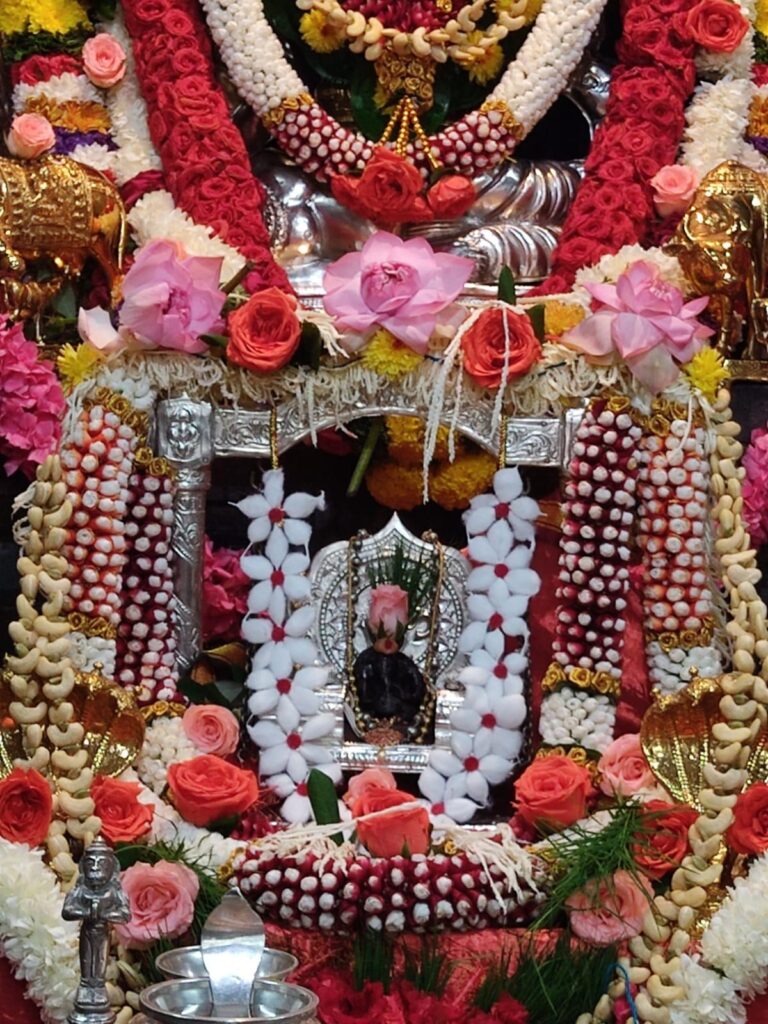
GSB, or Gauda/Gowda Saraswat Brahmins are a subgroup of the larger Saraswat Brahmin community, who migrated from the Saraswat Region, which was believed to be by the banks of the Saraswati River. It is believed that the Gauda Saraswat Brahmins migrated from the Gauda desh (desh meaning country) , another name for present day Bengal, after the Saraswati dried up. There is different theories to the different parts of the GSB name; one being that Gauda, is derived from Gauda desh (as mentioned before) and another that Saraswat is possibly part of the name because the GSBs were followers of Saraswat Muni (Saraswat Sage), or because they were from the region near the Saraswati River.
GSB Migration History
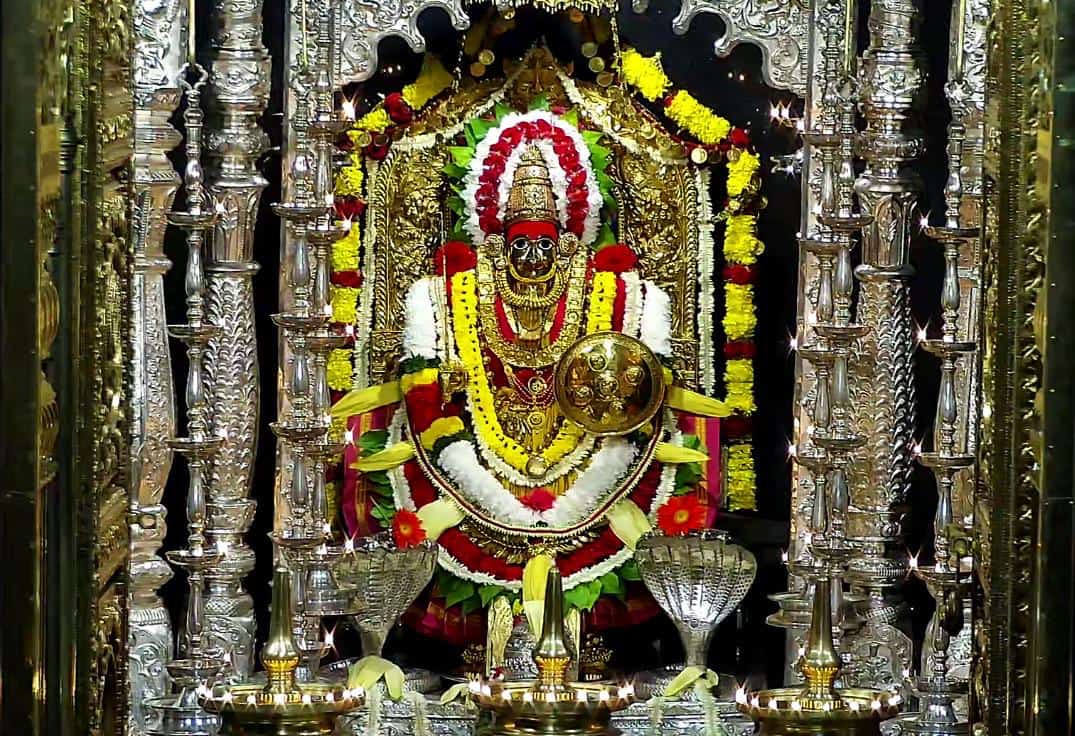
In terms of just the GSB migration, they initially moved from the banks of the Saraswati to the Konkan, Goa region and settled there at first , which can be proven through the Kuldev (home deity) temples all over Goa. Consequently, the main language of the GSBs is Konkani, the official language of Goa. Later in history, they had to migrate out of Goa due to the arrival of the Portuguese who persecuted the GSBs. The GSB migration was mainly fueled by religious persecution, leading the GSBs to migrate to other states such as Maharashtra, Kerala, Karnataka and others, mainly along the West Coast.
Here is a good source for more information on the GSB migration history: https://www.youtube.com/watch?v=wxN5Viw0YHg&t=2227s
Where are they now?
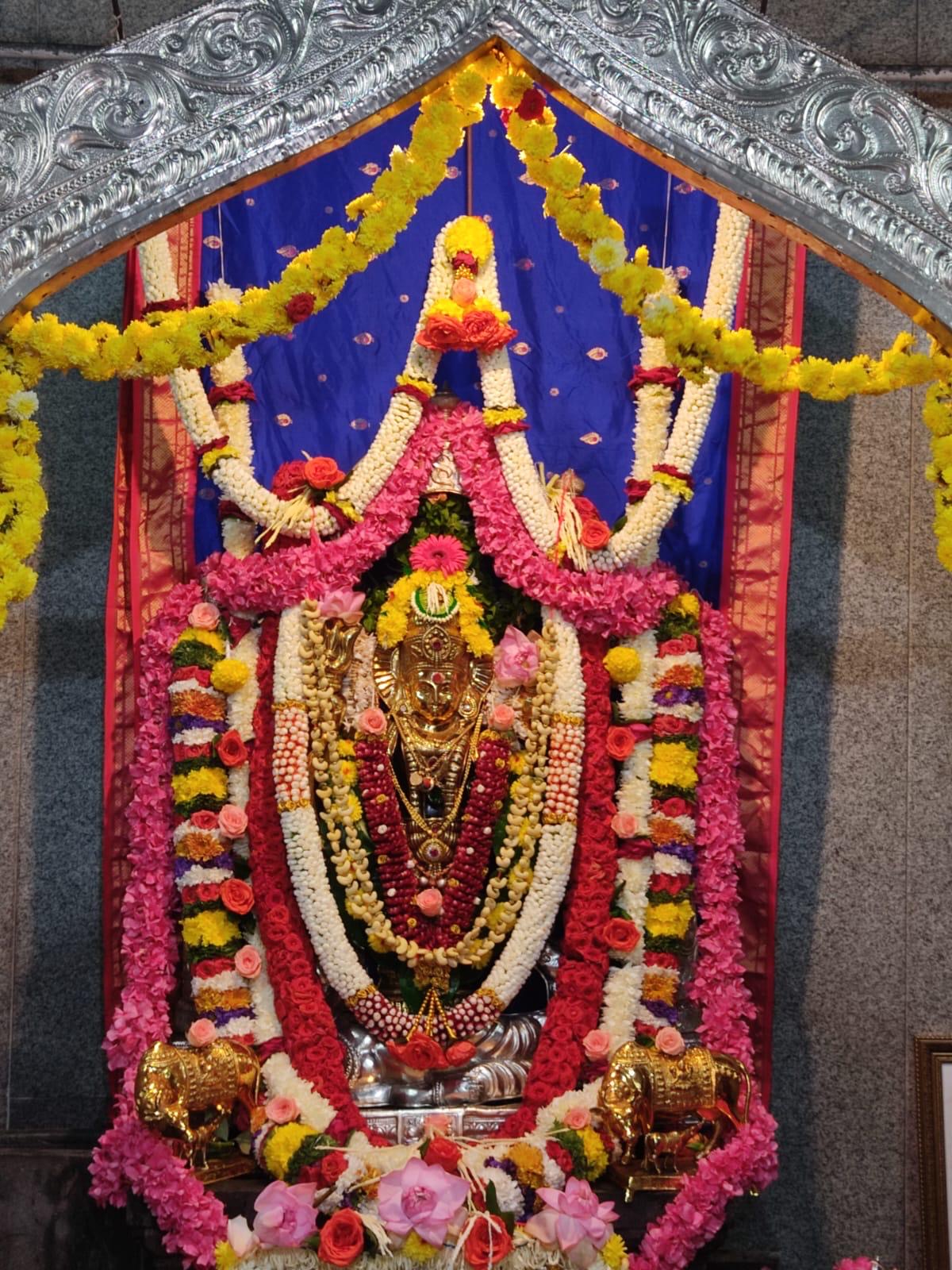
Currently, you can find GSBs all over India, as they gradually migrated along the West Coast, and have now settled around India. The GSBs adapted to their environments and speak the language of the area where they migrated to. For example, GSBs who settled in the Mangalore region are known as Mangalorean GSBs, as they have also integrated Kannada into their spoken Konkani, or how GSBs settled in Maharashtra have included Marathi in their spoken Konkani as well. However, one thing is for sure, the GSBs may have moved, and their language may have changed slightly, however they are always unified through their culture and traditions, no matter where they are!
sanpinayak@gmail.com